


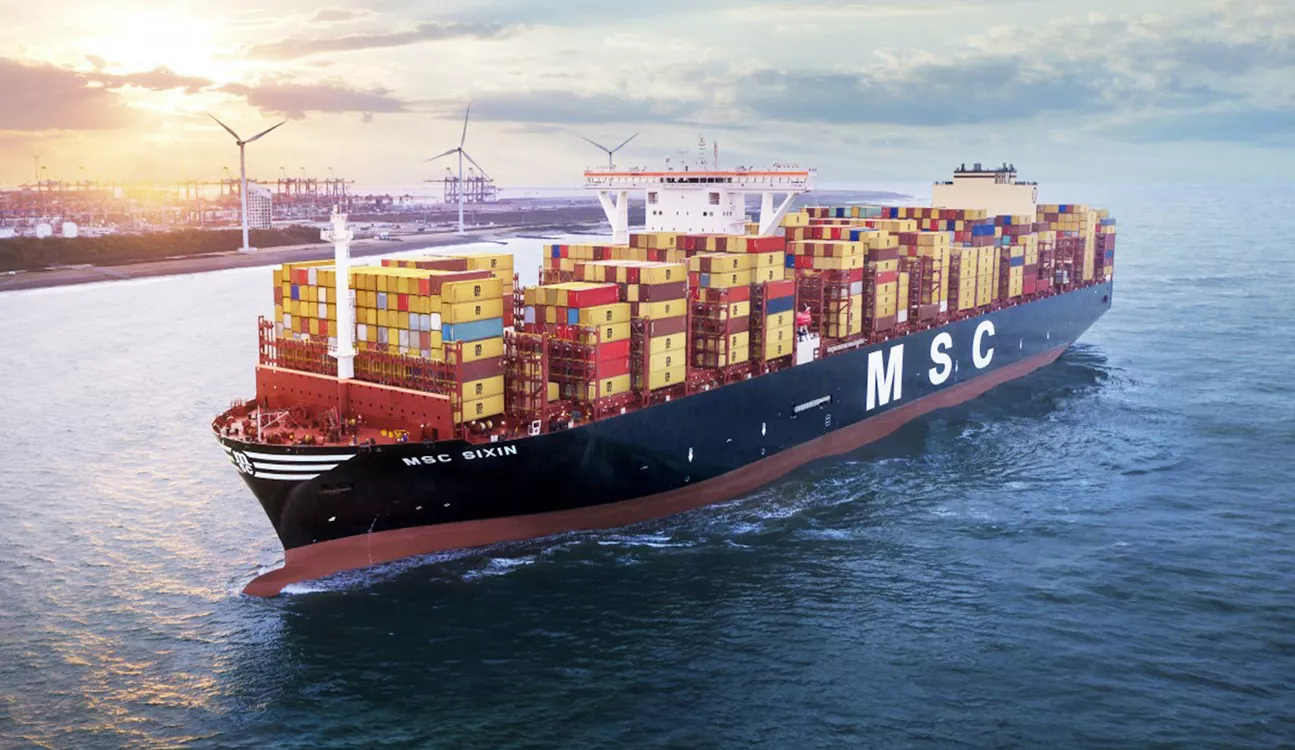
Freight forwarding plays a crucial role in global trade by helping businesses transport goods across international markets efficiently. Companies involved in import and export rely on freight forwarders to manage the complex logistics involved in shipping cargo by air, sea, or land.
As global trade continues to grow, freight forwarding services have become essential for businesses that need reliable transportation solutions and professional logistics support.
In this article, we explain what freight forwarding is, how it works, and why businesses depend on freight forwarders to move cargo around the world.
What is Freight Forwarding?
Freight forwarding is a logistics service that organizes the transportation of goods from one location to another using various transportation methods such as air freight, sea freight, and land freight.
A freight forwarder acts as an intermediary between the shipper and transportation providers such as airlines, shipping lines, and trucking companies. Instead of physically transporting cargo themselves, freight forwarders coordinate the entire shipping process.
Their responsibilities include:
- Planning the best shipping route
- Booking cargo space with carriers
- Managing shipping documentation
- Coordinating cargo handling
- Tracking shipments
- Ensuring smooth delivery to the destination
Freight forwarding companies help businesses simplify international logistics while ensuring cargo reaches its destination safely and efficiently.
How Freight Forwarding Works
The freight forwarding process involves several important stages that ensure cargo is transported successfully.
1. Shipment Planning
The process begins with evaluating the shipment requirements. Freight forwarders analyze cargo size, weight, delivery timeline, and destination to determine the most suitable transportation method.
Businesses may choose between air freight for urgent shipments or sea freight for large cargo volumes.
2. Cargo Booking
Once the shipping plan is finalized, the freight forwarder books cargo space with transportation providers such as airlines or shipping lines.
They negotiate rates, coordinate schedules, and confirm shipping arrangements.
3. Documentation and Compliance
International shipping requires various documents such as:
- Bill of Lading
- Commercial Invoice
- Packing List
- Export or Import Documentation
Freight forwarders ensure that all required paperwork is properly prepared and compliant with international shipping regulations.
4. Cargo Transportation
Cargo is transported through the selected method, which may include air, sea, or road transportation.
During this stage, freight forwarders track the shipment and provide updates to the client.
5. Delivery and Final Coordination
Once cargo arrives at the destination, the freight forwarder coordinates final delivery to the customer or warehouse.
This ensures the shipment reaches its final destination safely and on schedule.
Types of Freight Forwarding Services
Freight forwarders offer various transportation services depending on the shipping requirements.
Air Freight
Air freight is the fastest shipping method and is ideal for urgent or high-value shipments.
Sea Freight
Sea freight is the most economical shipping option for large or heavy cargo.
Land Freight
Land freight is used for regional transportation and connecting ports with inland destinations.
Cross Trade Shipping
Cross trade shipping allows goods to be transported directly between two countries without passing through the intermediary company’s location.
Benefits of Freight Forwarding
Freight forwarding offers several advantages for businesses involved in international trade.
Efficient Logistics Management
Freight forwarders manage the entire logistics process, reducing operational complexity.
Cost Optimization
They help businesses find the most cost-effective shipping routes and transportation methods.
Global Shipping Expertise
Freight forwarders understand international shipping regulations and documentation requirements.
Reliable Cargo Movement
Professional logistics coordination ensures cargo moves smoothly across international borders.
Why Businesses Use Freight Forwarders
Businesses use freight forwarding services because international shipping involves multiple steps, regulations, and logistics providers.
By working with an experienced freight forwarder, companies can focus on their core business while logistics experts handle cargo transportation.
Freight forwarding companies also provide industry knowledge, carrier networks, and logistics expertise that help businesses maintain efficient supply chains.